
- Preparation reduces potential claim severity
- Visible upkeep builds insurer confidence
- Risk reduction can influence coverage decisions
How Storm Preparation Lowers Insurance Risk
Homeowners often notice the impact of preparation after comparing two similar properties, where one has reinforced features and the other shows wear or neglect. A well-maintained home with storm shutters and a newer roof may qualify for broader coverage, while another home without those features may face higher deductibles or restrictions, even if both appear similar at first glance. Insurers review how preparation efforts reduce potential damage, which helps them estimate future claims more accurately. Real situations make the difference clear.
- Prepared homes often receive better coverage options
- Preventive upgrades reduce long term risk
- Small changes can influence policy outcomes
1. Roof Reinforcement Steps
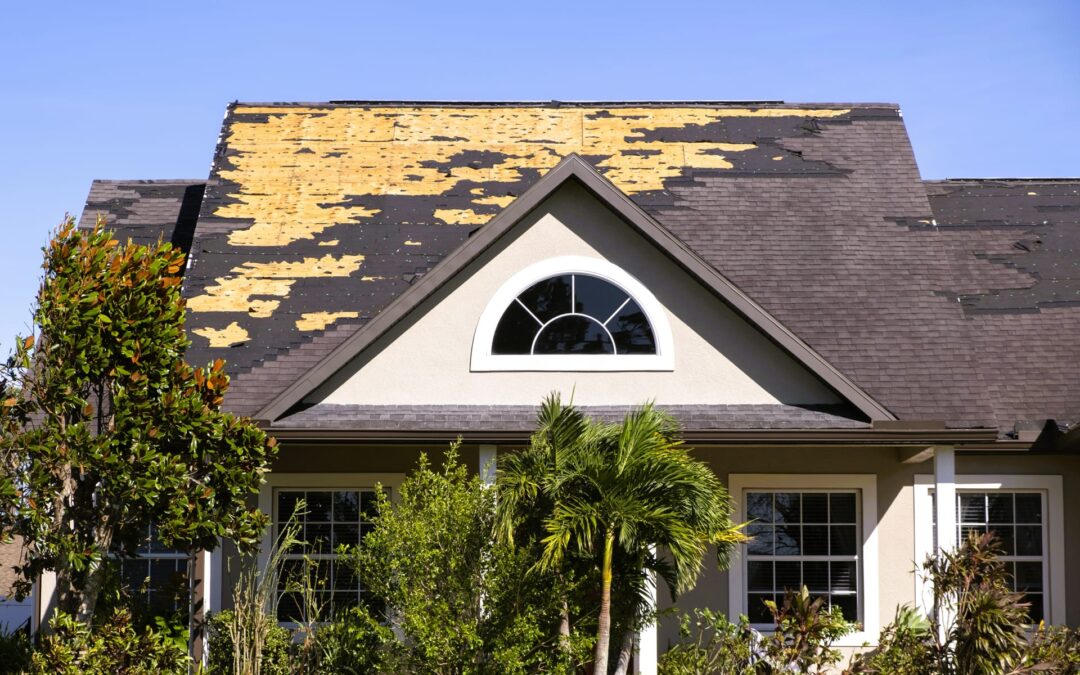
Roof strength plays a major role in storm survival, and insurers pay close attention to its condition because it serves as the first line of defense against wind and rain. Homes with secured shingles, sealed flashing, and updated materials are less likely to experience major damage during severe weather events. The Federal Alliance for Safe Homes reports that fortified roofing systems can significantly reduce storm-related losses. Strong roofs hold firm.
- Inspect shingles for wear or damage
- Secure flashing around edges and vents
- Upgrade materials when aging becomes visible
2. Proper Drainage Setup
Water buildup around a home creates hidden risks that can lead to foundation damage, mold growth, and costly repairs after storms. Clean gutters and well-positioned downspouts help direct water away from the structure, reducing the chance of flooding during heavy rainfall. The Environmental Protection Agency notes that proper drainage can prevent significant water damage issues over time. Water needs direction.
- Clear debris from gutters regularly
- Extend downspouts away from the home
- Check grading around the foundation
3. Window And Door Protection
Windows and doors become vulnerable points during high winds, where pressure changes can cause sudden failure if they are not properly secured. Installing shutters or impact-resistant glass helps reduce the chance of breakage and interior damage. The National Oceanic and Atmospheric Administration highlights that windborne debris remains a leading cause of structural damage during storms. Protection limits entry points.
- Install storm shutters or reinforced glass
- Seal gaps around frames
- Check locks and structural integrity
4. Tree And Yard Maintenance
Outdoor spaces can quickly become sources of damage during storms when loose branches or unsecured items turn into hazards. Regular trimming and removal of weak limbs help prevent impact damage to roofs, windows, and vehicles. The U.S. Forest Service emphasizes that proper tree maintenance reduces storm-related property damage risks. Yards require attention.
- Trim overhanging branches
- Remove dead or unstable trees
- Secure outdoor furniture and equipment
5. Emergency Preparedness Planning
Prepared households respond faster during storms, which can reduce the severity of damage and simplify insurance claims afterward. Having a plan that includes evacuation routes, supply kits, and document storage helps homeowners stay organized under pressure. Ready.gov, a resource from the U.S. Department of Homeland Security, recommends maintaining emergency plans for all households. Planning creates clarity.
- Prepare emergency supply kits
- Store important documents safely
- Establish evacuation plans
6. Flood Prevention Measures
Flooding remains one of the most expensive types of damage, and preparation efforts can significantly reduce exposure before storms arrive. Elevating utilities, installing sump pumps, and using barriers help protect key systems within the home. FEMA reports that even minor flooding can result in thousands of dollars in damage. Water moves fast.
- Elevate appliances and electrical systems
- Install sump pumps or barriers
- Seal foundation cracks
7. Documentation And Inventory
Accurate documentation helps homeowners prove the condition of their property before a storm, which supports smoother claim processing if damage occurs. Photos, videos, and detailed inventories provide evidence that can speed up claim resolution and reduce disputes. The Insurance Information Institute explains that thorough records improve claim accuracy and timelines. Records create clarity.
- Photograph each room and exterior areas
- Keep receipts for valuable items
- Update inventory regularly
Why Preparation Shapes Insurance Outcomes
Storm preparation affects how insurers evaluate risk because it shows whether a homeowner has taken steps to reduce potential losses, and that signal carries weight when policies are reviewed or renewed. Each factor discussed above connects to real outcomes, where stronger roofs, controlled drainage, and documented conditions help reduce both the likelihood and severity of claims, and those combined efforts create a clearer picture of risk that insurers can measure. Dragon Insurance Agency emphasizes that preparation does not eliminate risk, yet it shifts how that risk is viewed and managed, which can influence both pricing and coverage flexibility over time. Awareness combined with action changes results.

Key Takeaways For Storm Preparation And Home Insurance Risk
- Prepared homes often present lower risk to insurers
- Roof condition and drainage play major roles in damage prevention
- Window protection and yard maintenance reduce storm impact
- Emergency planning supports faster response during storms
- Documentation helps streamline insurance claims
Frequently Asked Questions
Why does storm preparation affect insurance coverage?
Storm preparation reduces the likelihood and severity of damage, which helps insurers assess risk more accurately and may influence coverage decisions.
Can small upgrades make a difference in insurance risk?
Even minor improvements like securing gutters or trimming trees can reduce exposure to damage and improve how a home is evaluated.
Does documentation really help with claims?
Detailed records provide proof of a home’s condition and contents, which helps speed up claim processing and reduces disputes.
How often should storm preparation be reviewed?
Preparation efforts should be reviewed before each storm season to ensure all systems and protective measures remain effective.
What areas of the home matter most during storms?
Roofs, windows, drainage systems, and surrounding trees are some of the most important areas that influence damage risk during severe weather.